Protein is an essential nutrient throughout adulthood. It helps the body maintain and repair muscle, build enzymes and other important molecules, and support normal tissue maintenance. For women over 40, understanding protein needs can be useful when planning meals, maintaining strength, and staying active through midlife and beyond.
There is no single protein target that suits every woman. Requirements depend on factors such as body weight, activity, overall food intake, health conditions, and personal goals. The aim is not to eat as much protein as possible. It is to get an appropriate amount from a varied, sustainable eating pattern that supports overall nutrition.
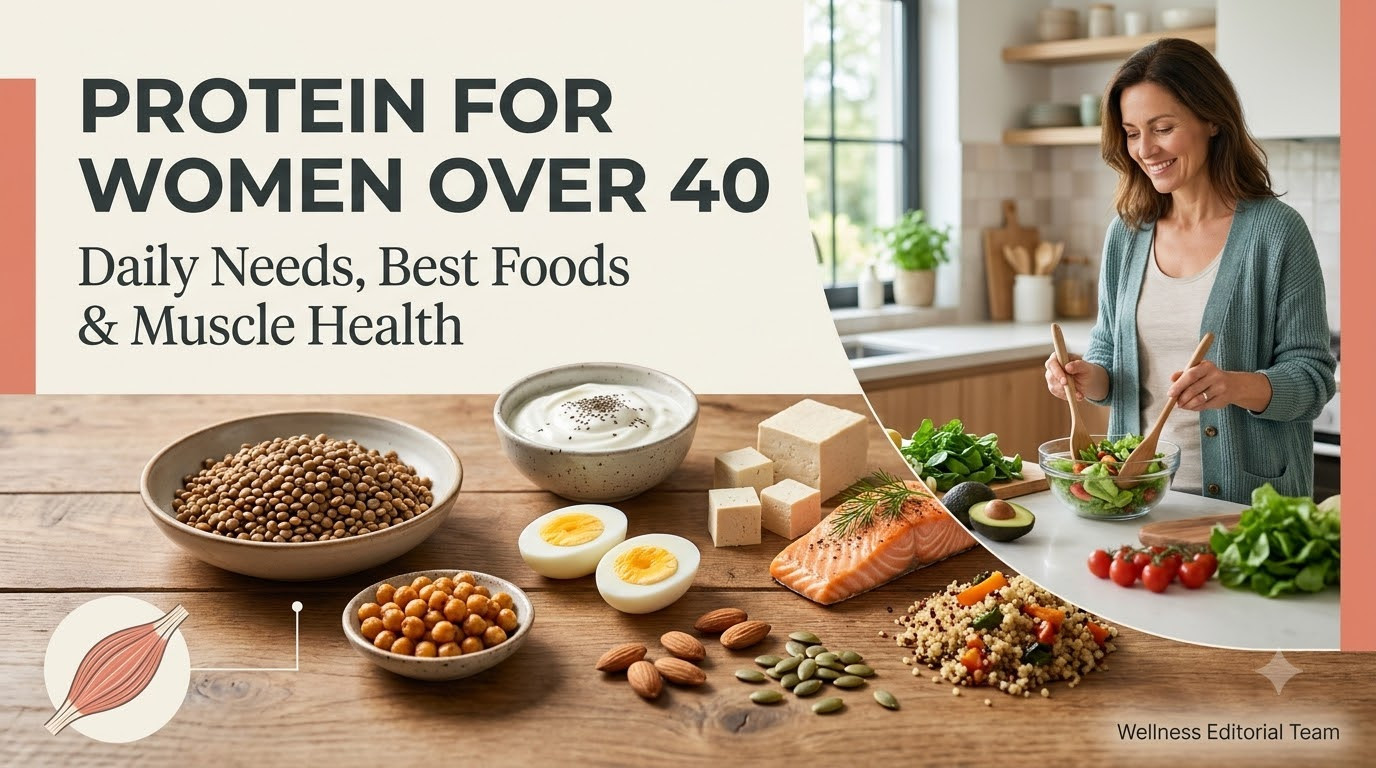
A varied selection of plant and animal foods can help provide protein as part of a balanced diet.
- What protein does in the body
- Daily protein needs after 40
- Protein and muscle health
- Best protein-rich foods
- Plant versus animal protein
- How to spread protein across meals
- Protein powders and supplements
- Safety and kidney health
- A practical day of protein-rich meals
- Frequently asked questions
- References and further reading
What Does Protein Do in the Body?
Protein is made from smaller units called amino acids. After protein-containing food is digested, the body absorbs amino acids and uses them to build and maintain its own proteins. These are involved in muscle structure, tissue repair, immune function, enzymes, transport processes, and many other normal functions.
Some amino acids are essential, meaning the body cannot make enough of them and must obtain them through food. Animal foods such as eggs, fish, dairy products, poultry, and meat provide all essential amino acids. Many plant foods provide protein too; eating a variety of sources across the day can help people meet their amino acid requirements.
Protein also contributes energy, but that does not make protein foods interchangeable with all other food groups. Vegetables, fruit, whole grains, and sources of unsaturated fats provide nutrients that protein-rich foods may not supply in the same amounts. A balanced diet combines these foods rather than focusing on one nutrient alone.
How Much Protein Do Women Over 40 Need Each Day?
A commonly used reference intake for healthy adults is 0.8 grams of protein per kilogram of body weight per day. This is a general population reference, not a personalized muscle-building prescription. It is useful as a starting point for understanding protein needs, but it does not mean every woman over 40 should follow exactly the same amount.
For illustration, a healthy adult weighing 60 kilograms would calculate 60 × 0.8, or 48 grams of protein per day, using this reference. A person weighing 75 kilograms would calculate 75 × 0.8, or 60 grams. These calculations illustrate the reference intake only; they do not account for every health condition, training goal, or individual circumstance.
When might protein needs differ?
- Regular exercise: People who perform frequent resistance training or demanding physical activity may have different needs from inactive adults. The appropriate target depends on training load, total diet, and individual goals.
- Older age: Protein intake can become especially important when appetite decreases, food intake becomes inadequate, or muscle loss is a concern. Age alone does not establish one exact target for everyone.
- Recovery and nutritional status: Illness, surgery, wounds, low body weight, or inadequate food intake can change nutritional needs. A healthcare professional or registered dietitian can help determine an appropriate plan.
- Kidney disease: Some people with chronic kidney disease need a carefully planned protein intake. People receiving dialysis can have different requirements from people who are not receiving dialysis.
Be cautious with online calculators or social media advice that recommend very high protein intake to every woman over 40. A higher number is not automatically more effective or safer. Your overall energy intake, food quality, activity, and medical history all affect what is appropriate.
Protein, Strength Training, and Muscle Health
Muscle tissue is continually being broken down and rebuilt. Protein supplies amino acids needed for this process, while resistance exercise provides a stimulus for muscles to adapt. Both are important: simply adding protein without an appropriate exercise stimulus does not guarantee stronger muscles or greater muscle mass.
Why resistance exercise matters
Resistance training includes activities that challenge muscles against resistance. Examples include using weights, resistance bands, weight machines, or body-weight exercises suited to a person's ability. A well-designed programme gradually adjusts the challenge while allowing adequate recovery.
Evidence reviews in older adults suggest that increasing protein above the usual reference intake may offer some benefits for lean body mass and, when combined with physical exercise, muscle strength. Findings are not uniform across all outcomes, and the evidence does not establish that everyone benefits from a high-protein diet. Research involving older adults also cannot be assumed to apply identically to every woman in her 40s.
Protein is only one part of the picture
Muscle maintenance depends on more than a daily protein total. The body also needs sufficient overall energy, a varied diet, appropriate exercise, and recovery. Consistently eating too little food can make it harder to maintain muscle even if some meals are protein-rich.
Sleep, injury history, chronic conditions, medication effects, and training experience can also influence progress. If strength or physical function is declining unexpectedly, consider seeking professional advice instead of assuming that the cause is a protein deficiency.
Protein is not a treatment for osteoporosis, menopause symptoms, or a diagnosed muscle disorder. It can contribute to normal nutrition, but those conditions may require separate assessment and care.
Protein-Rich Foods to Include in Your Diet
Many familiar foods provide protein. The best choices are the ones that fit your dietary preferences, budget, culture, health needs, and routine. Portions and protein amounts vary by brand, preparation, and serving size, so food labels or a reliable nutrition database can help when a more precise estimate is needed.
1. Eggs
Eggs are a convenient source of protein and provide other nutrients, including vitamin B12 and choline. They can be boiled, scrambled, or included in meals with vegetables and whole grains. Individual dietary needs may differ, particularly when a clinician has provided specific guidance about cholesterol or other health concerns.
2. Yogurt and other dairy foods
Milk, yogurt, Greek-style yogurt, and cottage cheese can contribute protein along with other nutrients. Greek-style yogurt often contains more protein per serving than conventional yogurt, although amounts differ by product. Unsweetened options can be useful when limiting added sugar. People with lactose intolerance may prefer lactose-free dairy or suitable alternatives.
3. Fish and seafood
Fish provides protein, and oily fish such as salmon also supplies omega-3 fatty acids. Other seafood can contribute variety. Choose preparation methods and portions that suit your overall diet, and follow relevant food-safety advice for storage and cooking.
4. Poultry and lean meats
Chicken, turkey, and other lean meat options can supply substantial protein. If you eat meat, consider preparation methods that limit excess salt and saturated fat. Processed meats such as some sausages and deli meats may contain substantial sodium and should not be the default protein source at every meal.
5. Lentils, beans, and chickpeas
Lentils, kidney beans, black beans, chickpeas, and similar foods provide protein and fiber. They are versatile in soups, salads, curries, grain bowls, and spreads. Canned varieties can be convenient; rinsing them may reduce some of the added sodium.
6. Tofu, tempeh, and soy foods
Tofu, tempeh, and other soy foods can be valuable protein sources in plant-forward eating patterns. Soy provides all essential amino acids. Tofu absorbs the flavor of marinades and sauces, while tempeh can be added to stir-fries, salads, and sandwiches.
7. Nuts and seeds
Almonds, peanuts, pumpkin seeds, chia seeds, and other nuts and seeds contribute protein, unsaturated fats, and additional nutrients. They are energy-dense, so portion size may matter for people managing total energy intake. Nut butters can be added to oatmeal, whole-grain toast, or snacks.
8. Whole grains and other plant foods
Oats, quinoa, whole-wheat foods, and some other grains provide protein in addition to carbohydrates and other nutrients. They may not supply as much protein per serving as some concentrated sources, but they contribute to the total amount consumed across a day.
No single food needs to be eaten every day. Rotating protein sources can improve dietary variety and make a meal plan easier to sustain.
Plant Protein Versus Animal Protein
Both plant and animal foods can contribute to a healthy protein intake. Animal foods often provide all essential amino acids in one food, while the amino acid profile of plant foods varies. This does not mean that plant protein is inadequate by definition.
A varied plant-based diet can meet protein needs when it includes sufficient food and a range of sources, such as beans, lentils, soy foods, nuts, seeds, and grains. It is not necessary for everyone to combine specific plant proteins in the same meal; variety across the day is a practical approach.
Plant foods also provide fiber and other nutrients that may be limited in some animal foods. Animal foods can provide nutrients such as vitamin B12, and dairy, eggs, fish, and meat differ in their fat content and other nutritional characteristics. The overall eating pattern matters more than declaring one entire category universally best.
People following a vegan diet should pay attention to nutrients that can require additional planning, especially vitamin B12. If you have dietary restrictions, a registered dietitian can help ensure that your eating pattern meets your needs.
How to Spread Protein Across Meals
Some people find it easier to meet their daily protein needs by including a source at each main meal rather than trying to obtain most of it at dinner. This is a practical planning strategy, not a rule that every meal must contain an identical amount.
For example, breakfast could include yogurt, eggs, tofu, or a soy-based option. Lunch might include lentils, beans, fish, chicken, or tofu. Dinner could use another source, such as chickpeas with whole grains or fish with vegetables. Snacks such as yogurt, nuts, or hummus can contribute if they fit your appetite and needs.
There is no need to eat immediately after waking or to follow a rigid protein-timing schedule to obtain the basic nutritional benefits of protein. Total intake, food quality, and consistency are useful starting points. People with specific sports goals may choose to discuss more detailed meal timing with a qualified dietitian.
Do Women Over 40 Need Protein Powder?
Protein powder is optional. It can be convenient when appetite, schedule, dietary restrictions, or limited food choices make it difficult to obtain enough protein from meals. However, it is not inherently superior to ordinary protein-rich foods and is not necessary for everyone.
Whey protein is derived from milk. Other products use soy, pea, rice, or blended plant proteins. The most appropriate choice depends on food allergies, dietary preferences, tolerance, ingredients, and individual requirements. A product's marketing claims do not prove that it will produce better results than a balanced diet.
How to evaluate a product
- Check the ingredients: Review the protein amount per serving, added sugars, sweeteners, allergens, and other ingredients.
- Look for transparent labelling: Be cautious about proprietary blends that do not clearly state the amounts of individual ingredients.
- Consider independent testing: Where available, reputable third-party testing can provide additional information about product identity and contaminants. Certification does not guarantee effectiveness or suitability for you.
- Avoid miracle claims: Promises to reverse ageing, burn fat without lifestyle changes, or treat disease are warning signs.
- Check your medical needs: If you have kidney disease, food allergies, or other medical concerns, ask a healthcare professional whether the product is appropriate.
Dietary supplements are not a replacement for a varied diet or medical treatment. If you are able to meet your protein needs through regular food, there may be no reason to buy a powder.
Protein Safety and Kidney Health
Protein is essential, but more is not always better. Healthy adults and people with chronic kidney disease can have different nutritional requirements. When kidney function is reduced, the appropriate amount of dietary protein may depend on the stage of disease, nutritional status, laboratory results, and whether the person receives dialysis.
- Have chronic kidney disease, reduced kidney function, or abnormal kidney tests.
- Receive dialysis or have had a kidney transplant.
- Have been told to follow a specific protein, fluid, potassium, or phosphorus plan.
- Have a medical condition or treatment that affects nutrition or appetite.
- Are unintentionally losing weight, struggling to eat enough, or experiencing persistent weakness.
People with chronic kidney disease who are not on dialysis may be advised to limit protein in some circumstances, while people on dialysis often have higher protein requirements. This is why a generic high-protein plan should not be applied to everyone.
Do not assume that a high-protein diet will automatically damage healthy kidneys, but do not assume that very high intake is risk-free for every person either. Long-term outcomes depend on individual health and the overall diet. A healthcare professional or renal dietitian can help establish an appropriate target when kidney health is a concern.
Also consider the complete product or meal plan. Protein shakes and bars can contain added sugars, sodium, or other ingredients. Choosing a product based only on its protein number can overlook other nutritional factors.
A Practical Day of Protein-Rich Meals
The following is an illustrative meal pattern, not a prescribed diet or a guarantee that a particular protein target will be met. Portions and food choices should be adjusted for appetite, energy needs, allergies, cultural preferences, budget, and medical advice.
- Breakfast: Plain yogurt with oats, fruit, and a small serving of nuts or seeds. An alternative is eggs with whole-grain toast or a tofu-based breakfast.
- Lunch: A lentil or chickpea bowl with vegetables and whole grains. Chicken, fish, or tofu can be used instead, depending on preference.
- Snack, if needed: Fruit with yogurt, hummus with vegetables, or a small portion of nuts. A snack is optional rather than compulsory.
- Dinner: Fish, tofu, beans, or another protein source with vegetables and potatoes, brown rice, or another grain.
Use food labels or a reliable nutrient database to estimate the actual protein in your portions. A meal plan that looks high in protein may still provide too little total food, fiber, or variety. Conversely, a varied diet may meet a person's needs without protein products or complicated calculations.
Frequently Asked Questions
1. How much protein does a woman over 40 need each day?
A commonly used reference intake for healthy adults is 0.8 grams of protein per kilogram of body weight per day. Needs can differ with activity, age, nutritional status, and health conditions. Women who train regularly or have specific medical or nutritional needs may benefit from individualized guidance rather than assuming one target fits everyone.
2. Can women over 40 build muscle by eating more protein?
Adequate protein supports muscle repair and adaptation, but eating more protein alone does not guarantee muscle growth. Progressive resistance exercise, enough total food, recovery, and consistency are also important.
3. Are plant proteins as useful as animal proteins?
Plant foods such as soy, beans, lentils, peas, nuts, seeds, and whole grains can contribute meaningfully to protein intake. A varied, well-planned plant-based diet can meet protein needs. Food choices, portions, overall diet quality, and individual requirements all matter.
4. Do women over 40 need protein powder?
No. Protein powder is optional and can be convenient when food alone does not meet a person's needs, but it is not essential for everyone. Regular foods can provide protein along with other nutrients. Anyone with kidney disease, allergies, or relevant medical concerns should seek individualized advice before using supplements.
5. Can a high-protein diet harm the kidneys?
Protein needs and safe intake depend on health status. People with chronic kidney disease may need a specifically planned amount of protein, which can differ depending on whether they receive dialysis. Anyone with kidney disease or concerns about kidney function should consult a healthcare professional or renal dietitian before substantially increasing protein intake.
References and Further Reading
These resources provide background on protein intake, ageing, exercise, and nutrition for people with kidney disease. They discuss different populations and outcomes, so their findings should be interpreted in context.
- National Kidney Foundation. CKD Diet: How Much Protein Is the Right Amount? Read the National Kidney Foundation guidance.
- Health Council of the Netherlands systematic review. Health Effects of Increasing Protein Intake Above the Current Population Reference Intake in Older Adults. Read the review on PubMed Central.
- National Kidney Foundation. Nutrition and Kidney Disease, Stages 1–5 (Not on Dialysis). Read the kidney nutrition guidance.
- National Kidney Foundation. Creating a Kidney-Friendly Plate. Explore the meal-planning resource.
- American Kidney Fund. Protein — Kidney Kitchen. Read the protein overview and general intake examples.
Wellness Editorial Team provides general educational information about nutrition, fitness, health, and wellbeing. This article explains general protein guidance and is not a personalized nutrition plan.
Readers should review the linked sources and seek qualified advice when making significant dietary changes, particularly when managing a diagnosed medical condition.
Medical disclaimer: This content is for educational purposes only and is not intended to diagnose, treat, cure, or prevent any disease. Protein needs vary by individual. Do not start, stop, or change medication or a prescribed diet based on this article. Consult a qualified healthcare professional or registered dietitian for personal advice.
For information about this website, visit our About Us, Editorial Policy & Medical Disclaimer, Privacy Policy, and Terms and Conditions pages.