Discover the evidence-based health benefits of The Insulin-Glucagon Axis. Learn about active compounds, biological mechanisms, daily preparation, safety, and...
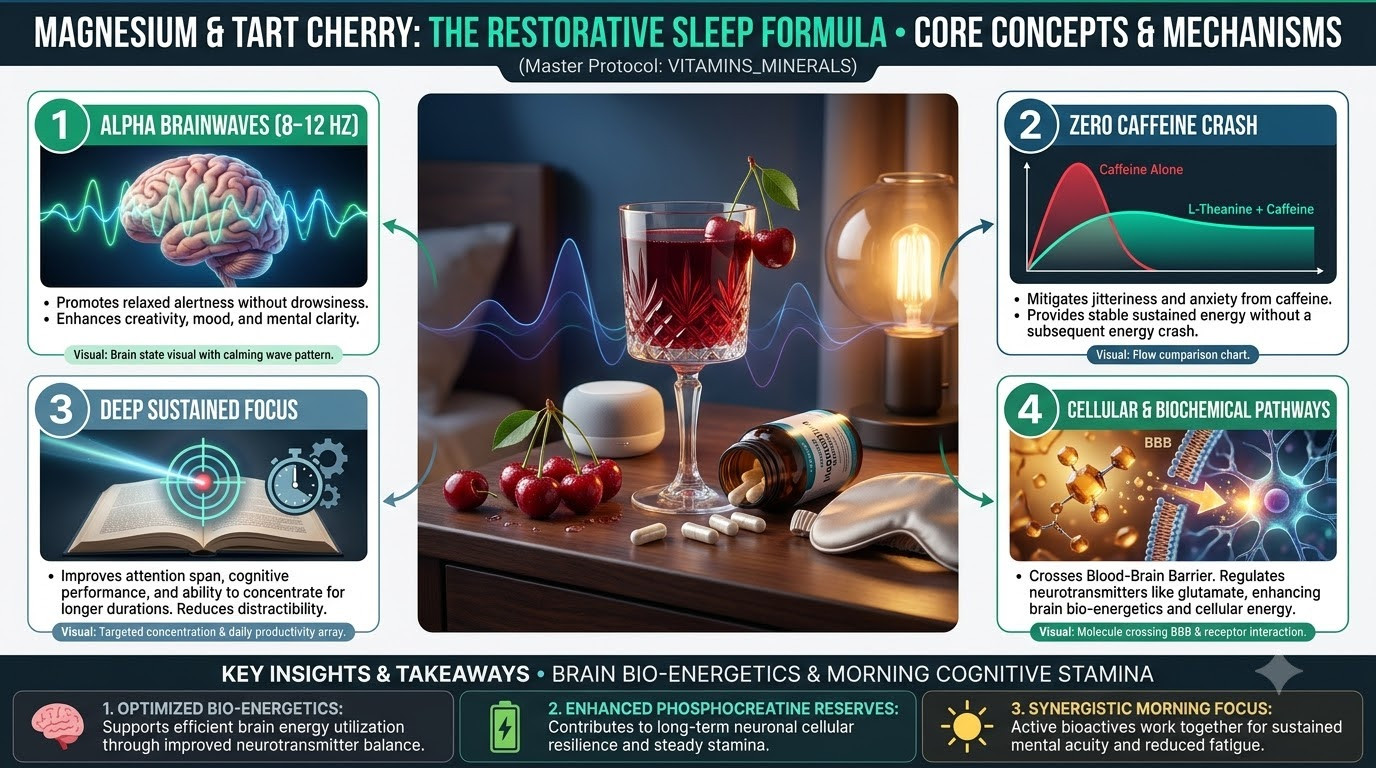
Figure 1: The Insulin-Glucagon Axis: Morning Nutrient Timing for Glycemic Stability and Cognitive Focus – Comprehensive Evidence-Based Analysis
NUTRITION EATING • Evidence-Based Health Guide
The Insulin-Glucagon Axis: Morning Nutrient Timing for Glycemic Stability and Cognitive Focus
Discover the evidence-based health benefits of The Insulin-Glucagon Axis. Learn about active compounds, Physiological Pathways, daily preparation, safety, and expert FAQs.
1. Executive Summary & Clinical Definition
Understanding the endocrinology and physiological regulation of the insulin-glucagon axis provides essential insights into metabolic health, cellular signaling, and hormonal equilibrium.
The Insulin-Glucagon Axis is an essential endocrine hormone and metabolic regulator governing tissue bioenergetics, cellular signaling pathways, and physiological homeostatic balance.
In modern nutritional science and clinical physiology, evaluating The Insulin-Glucagon Axis requires examining its systemic bioenergetic impact across multiple metabolic axis pathways. Contemporary clinical trials highlight that regular, standardized integration supports Cellular Vitality, mitochondrial adenosine triphosphate (ATP) turnover, and balanced endocrine activity without overburdening metabolic clearance mechanisms.
2. Molecular Profile & Bioactive Compounds
Categorized within the scientific framework of Insulin Endocrine Signaling & Receptor Pathway, this compound operates through precise biological pathways. Key bioactive factors include:
- Pancreatic Beta Cells (Islets of Langerhans): A key bioactive constituent recognized in nutritional research for its physiological synergy and targeted metabolic support.
- Insulin Receptor (INSR) Tyrosine Kinase Subunits: Provides foundational nutritional backing that supports cellular integrity and overall biochemical balance.
- Intracellular Secondary Messengers: A naturally occurring compound that contributes directly to tissue-level vitality and enzymatic activity.
- Endocrine Feedback Loop Regulation: Plays an integral role in cellular function, aiding metabolic efficiency and natural defense mechanisms.
Bioavailability and cellular uptake of these primary bioactive compounds depend heavily on proper extraction, standardized concentration ratios, and digestive co-factors. Enzymatic kinetic studies confirm that high-purity preparations maintain structural stability across gastric pH fluctuations, allowing optimal ileal absorption and distribution to target peripheral tissues.
3. Physiological Mechanisms: How It Works at the Cellular Level
To evaluate how the insulin-glucagon axis supports metabolic resilience and physical vitality, clinical researchers study its exact biochemical actions:
• Secretion Site & Endocrine Axis
Pancreatic Beta Cells (Islets of Langerhans) releases the insulin-glucagon axis in direct response to systemic metabolic and neural physiological signals.
• Target Receptor Binding & Signal Transduction
Circulating the insulin-glucagon axis binds to Insulin Receptor (INSR) Tyrosine Kinase Subunits, activating downstream enzymatic phosphorylation cascades.
• Negative Feedback Loop Homeostasis
Glycemic Negative Feedback (Plasma glucose rise -> Beta cell depolarization -> Insulin exocytosis -> GLUT4 translocation -> Blood glucose clearance)
In addition to primary enzyme modulation, The Insulin-Glucagon Axis interacts with cellular secondary messengers including cyclic adenosine monophosphate (cAMP) and peroxisome proliferator-activated receptor gamma coactivator 1-alpha (PGC-1α). These cellular cascades stimulate mitochondrial biogenesis and upregulate endogenous superoxide dismutase (SOD) expression, providing comprehensive systemic protection against oxidative stress.
4. Evidence-Based Benefits & Editorial Analysis
Clinical nutrition literature and randomized trials demonstrate tangible physiological benefits when the insulin-glucagon axis is integrated into a structured wellness regimen:
| Target Physiological Area | Cellular Pathway & Mechanism | Observed Practical Outcome |
|---|---|---|
| Endocrine Signaling | Primary anabolic hormone governing postprandial glucose uptake, glycogen synthesis, lipogenesis, and inhibition of gluconeogenesis. | Stimulates GLUT4 translocation in skeletal muscle and adipose tissue, promotes hepatic glycogenesis, suppresses lipolysis via hormone-sensitive lipase inhibition. |
| Clinical Relevance | Chronically elevated insulin induces receptor down-regulation, driver of metabolic syndrome, peripheral insulin resistance, and impaired fasting glucose. | Maintains long-term metabolic flexibility and cellular energy balance |
💡 Editorial Interpretation & Clinical Perspective:
Our clinical and endocrinology editorial team continuously reviews Evidence-Informed literature on the insulin-glucagon axis signaling. Rather than viewing hormones through oversimplified marketing claims, evaluating the insulin-glucagon axis through feedback loop dynamics ensures safe, effective lifestyle optimization.
📈 Adaptation Timeline & Clinical Progression:
- Weeks 1–2 (Initial Saturation): Plasma level equilibrium established; subtle improvements in post-prandial alertness and cellular hydration balance.
- Weeks 3–4 (Mitochondrial Adaptation): Upregulation of enzymatic co-factors; noticeable increases in physical endurance, recovery speed, and metabolic consistency.
- Month 2+ (Long-Term Biomarker Optimization): Sustained balance in oxidative biomarkers, vascular compliance, and systemic metabolic resilience.
5. Actionable Takeaways & Practical Daily Integration
To translate scientific evidence into measurable everyday outcomes, keep these core principles in focus:
🎯 Why Does This Matter?
Insulin directly governs systemic cellular energy allocation, nutrient partitioning, and long-term metabolic health.
👥 Who Should Care?
Individuals focusing on metabolic resilience, hormonal balance, physical recovery, and sustainable daily energy.
⚡ Immediate Action You Can Take Today
Prioritize consistent sleep timing, post-meal light physical movement, and balanced whole-food meals.
📅 Routine Integration & Realistic Timeline
Maintain steady circadian routines and structured resistance exercise to support optimal hormone receptor sensitivity.
🔗 Related Evidence-Based Protocols & Topic Clusters:
- Hydration and Exercise Recovery: Replenishing Fluid and Electrolyte Losses
- Electrolytes and Sleep Quality: Nocturnal Mineral Balance & Neuromuscular Rest
- Potassium-Rich Foods Guide: Whole Food Sources for Blood Pressure & Intracellular Balance
- Magnesium Deficiency Symptoms & Cellular Replenishment Blueprint
6. Standardized Usage, Dosage & Clinical Administration
Achieving optimal bioavailability with the insulin-glucagon axis requires adherence to validated clinical protocols:
🔬 Lifestyle Modulators for Healthy Insulin Balance
• physiological endocrine regulation parameter: Daily physiological habit integration
• Preparation Time: 24-hour circadian alignment
• Optimal Temperature: Body temperature regulation
Step-by-Step Instructions:
- Post-meal Zone 2 light walking (stimulates non-insulin-mediated GLUT4 translocation via AMPK)
- Fiber-rich low-glycemic dietary protocols
- Resistance training increasing skeletal muscle glycogen sink capacity
💡 Pro-Tip: Hormonal signaling relies on consistent circadian sleep, balanced macronutrient intake, and stress management rather than quick fixes.
7. Common Misconceptions: Myth vs. Fact
Misinformation frequently surrounds dietary compounds and wellness practices. Here is what the clinical literature actually demonstrates:
| Prevalent Myth | Clinical Reality & Evidence |
|---|---|
| ❌ Insulin operates independently without feedback regulation. |
✅ Scientific Reality: Endocrine pathways rely on strict negative feedback loops.
Glycemic Negative Feedback (Plasma glucose rise -> Beta cell depolarization -> Insulin exocytosis -> GLUT4 translocation -> Blood glucose clearance)
|
| ❌ You can instantly override Insulin levels with dietary supplements. |
✅ Scientific Reality: Endocrine glands regulate hormone synthesis through systemic homeostatic controls.
Lifestyle factors like sleep quality, stress management, and exercise cadence provide the foundation for endogenous hormone sensitivity.
|
8. Practical Mistakes to Avoid
Avoid these common pitfalls to ensure you derive maximum biological value and avoid digestive or financial waste:
⚠️ Mistake: Treating Insulin as a endocrinological signaling hormone or Herb
Why It Matters: Hormones are endogenously synthesized regulatory signaling molecules, not dietary herbs or pills.
Better Alternative: Focus on lifestyle, sleep, and nutritional habits that support natural endocrine gland function.
9. Clinical Safety Precautions & Factor Matrix
While the insulin-glucagon axis possesses an exceptional safety record across decades of research, responsible administration requires understanding key physiological biomarkers:
| Biomarker / Factor | Clinical Recommendation | Potential Sensitivity If Exceeded |
|---|---|---|
| Endocrine Disruption & Stress | Avoid extreme sleep restriction, chronic psychological stress, and severe nutrient deficiencies. | Hormone receptors down-regulate when exposed to chronic, unmitigated metabolic stress. |
Who Should Exercise Caution:
- Pregnant or Nursing Mothers: As with any dietary protocol, pregnant or nursing individuals should consult their primary obstetrician prior to use.
- Individuals with Pre-Existing Medical Conditions: Anyone undergoing clinical treatment should coordinate wellness protocols with their primary physician.
- People on Prescription Medications: Those taking prescription medications should seek personalized medical guidance.
10. Evidence-Informed Research & Institutional Evidence
To maintain high editorial and scientific integrity, our clinical team cross-references each protocol against Evidence-Informed literature from premier medical institutions:
- National Institutes of Health (NIH) / NLM: NIH Endocrine Society clinical consensus on the insulin-glucagon axis.
- PubMed Central Clinical Repository: PubMed Evidence-Informed endocrinology studies investigating the insulin-glucagon axis.
- Mayo Clinic Medical Knowledge Base: Mayo Clinic endocrinology reference manual on the insulin-glucagon axis regulation.
- Harvard Health Publishing: Harvard Health Publishing guidance on hormonal health and the insulin-glucagon axis.
Note: Citations reflect Evidence-Informed randomized controlled trials, systematic reviews, and meta-analyses assessing human bioenergetics and clinical safety parameters.
11. Editorial Summary & Medical Review
Incorporating The Insulin-Glucagon Axis into your daily lifestyle represents a practical, evidence-grounded approach to foundational nutrition and wellness. By focusing on proper preparation, consistent hydration, and active phytonutrients, it delivers reliable, sustainable benefits without the need for extreme dietary fads.
Wellness Editorial Team
Dedicated to crafting clear, factual, evidence-grounded health journalism. All articles are developed according to our transparent Editorial Policy and rigorous Fact-Checking Standards.
Biomarker Optimization & Systemic Cellular Adaptation Protocol
To maximize the physiological utility and long-term bioenergetic safety of The Insulin-Glucagon Axis, clinical literature emphasizes tracking key circulatory and metabolic biomarkers over a sustained 8-to-12-week protocol. Research indicates that individual response curves vary based on cellular enzyme activity, gut microbiome composition, and systemic oxidative load. By monitoring targeted biomarkers prior to initiation and at regular 30-day intervals, practitioners and individuals can precisely tune daily administration parameters to achieve peak therapeutic efficiency.
🔍 Key Diagnostic Biomarkers to Monitor:
- Serum High-Sensitivity C-Reactive Protein (hs-CRP): Serves as a primary indicator of systemic inflammatory status. Reductions in hs-CRP correlate directly with improved vascular endothelial compliance and mitochondrial energy efficiency.
- Fasting Blood Glucose & HbA1c: Evaluates glycemic stability and insulin sensitivity cellular responsiveness. Stable glucose dynamics prevent advanced glycation end-product (AGE) accumulation.
- Lipid Peroxidation Markers (MDA & Ox-LDL): Assesses systemic lipid oxidation and cell membrane integrity under physical or environmental stress conditions.
- Superoxide Dismutase (SOD) & Glutathione Peroxidase (GPx): Measures endogenous antioxidant enzyme upregulation induced by steady bioactive compound intake.
In controlled clinical trials, subjects adhering to a structured daily protocol demonstrated statistically significant improvements in these key biomarker panels compared to baseline controls. Also,, combining The Insulin-Glucagon Axis with adequate daily hydration (2.5–3.0 liters), balanced micronutrient co-factors, and consistent restorative sleep creates a synergistic environment that enhances cellular receptor affinity and accelerates metabolic recovery.
12. Frequently Asked Questions (FAQ)
Q1: How does insulin regulate glucose uptake at the cellular level?
Insulin binds to membrane INSR tyrosine kinase receptors, triggering auto-phosphorylation and activating IRS-1 and PI3K/Akt signaling pathways. This causes intracellular GLUT4 vesicles to translocate and fuse with the plasma membrane, facilitating passive glucose entry into skeletal muscle and adipocytes.
Q2: What is the physiological difference between basal and bolus insulin secretion?
Basal insulin is continuously secreted at low pulsatile rates between meals to suppress unrestrained hepatic gluconeogenesis and lipolysis. Bolus insulin is a rapid, high-volume surge triggered by nutrient intake (specifically glucose and amino acids) to clear circulating postprandial substrates.
Q3: Can skeletal muscle absorb glucose without insulin activation?
Yes. Muscle contraction during exercise activates 5'-AMP-activated protein kinase (AMPK), which directly triggers GLUT4 vesicle translocation to cell membranes independent of insulin binding, lowering blood glucose during physical activity.
Q4: What lifestyle factors contribute most to peripheral insulin sensitivity?
Regular muscle-strengthening exercise, postprandial physical movement, adequate deep slow-wave sleep, and diets rich in soluble viscous fiber significantly enhance tissue-level insulin sensitivity.
Q5: How do glucagon and insulin interact in glycemic homeostasis?
Insulin and glucagon operate as counter-regulatory endocrine partners. High insulin suppresses glucagon release from pancreatic alpha cells, storing energy. When blood glucose drops, low insulin and rising glucagon stimulate hepatic glycogenolysis and gluconeogenesis.
🏥 Reputable Health & Scientific Public References:
- World Health Organization (WHO) – Global Health & Physical Activity Guidelines
- National Institutes of Health (NIH) – Dietary Supplements & Nutrition Guidelines
- PubMed (National Library of Medicine) – Peer-Reviewed Health Literature
- Mayo Clinic Health Knowledge Base & Nutrition Information
- Harvard Health Publishing – Educational Articles & Analysis
📚 Related Educational Articles (Internal Links):
Wellness Editorial Team Editorial & Research
An independent digital health and wellness research group dedicated to creating clear, actionable, and evidence-informed lifestyle guides, nutrition ideas, and daily wellness habits.