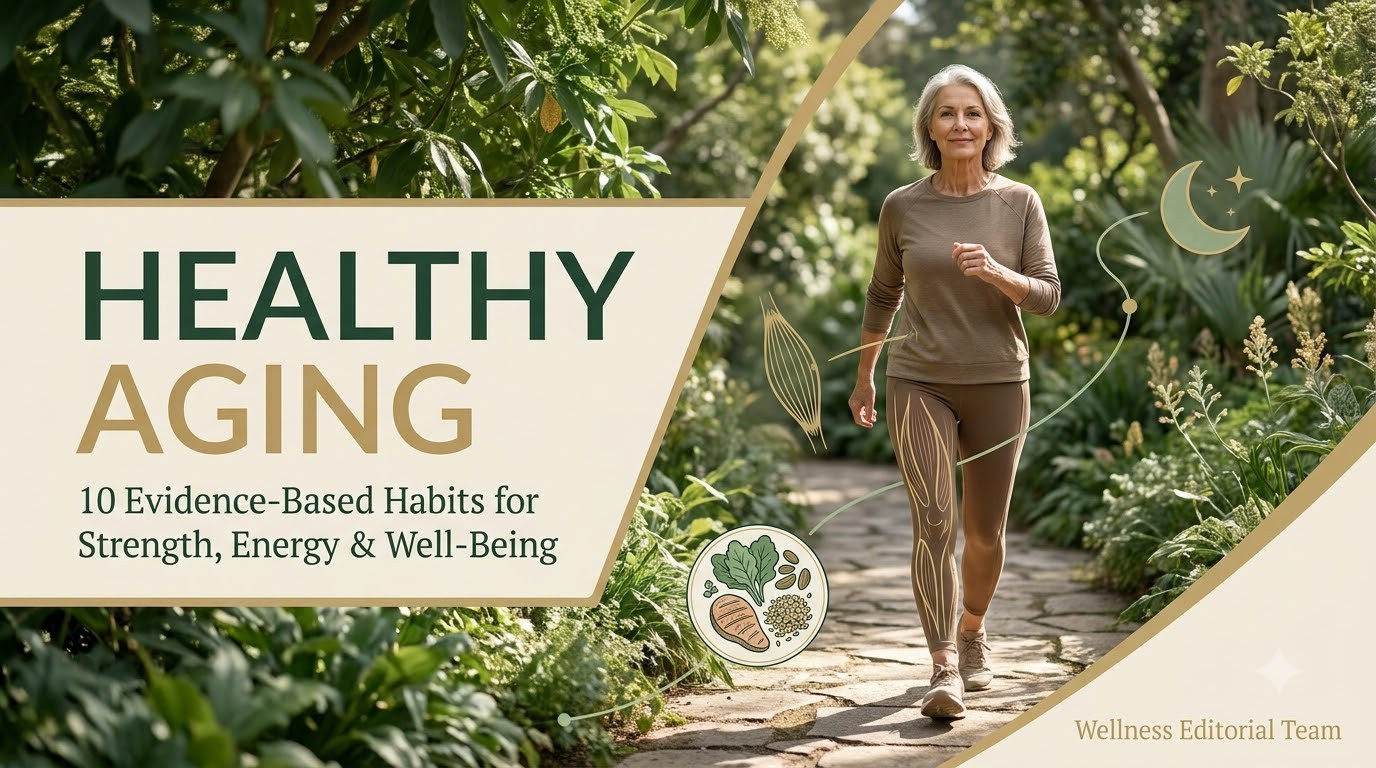
Healthy Aging: 10 Evidence-Based Habits for Strength, Energy, and Well-Being
Healthy aging is about maintaining function, independence, and quality of life—not trying to stop the passage of time. Getting older affects everyone differently. Genetics, past experiences, living conditions, access to healthcare, and daily habits all influence how a person feels and functions over time.
The encouraging news is that useful changes can be made at many ages. Regular movement, muscle-strengthening activities, balanced meals, restorative sleep, social connection, and preventive healthcare can support physical and emotional well-being. None guarantees a particular lifespan or prevents every disease, but together they provide a practical foundation for healthier years.
What Does Healthy Aging Actually Mean?
The US Centers for Disease Control and Prevention describes healthy aging in terms of maintaining physical, mental, and social health and well-being as people grow older. It is not restricted to retirement age; habits established earlier can also matter later in life.
Healthy aging does not mean having no health conditions, looking younger than your age, or maintaining the same physical abilities forever. It means supporting the abilities that help you do what matters to you, whether that is walking comfortably, preparing meals, spending time with family, pursuing hobbies, or managing daily responsibilities.
Some age-related changes cannot be prevented, and chronic illnesses may still develop despite healthy habits. The purpose of lifestyle changes is to improve the odds of maintaining function and well-being, not to promise a disease-free life.
1. Make Regular Movement Part of Everyday Life
Physical activity supports cardiovascular fitness, mobility, mood, sleep, and the ability to carry out everyday tasks. It can also help manage several chronic disease risk factors. Benefits are not limited to people who already exercise regularly.
For adults aged 65 and older, US physical activity guidance generally recommends at least 150 minutes of moderate-intensity aerobic activity each week, or an equivalent amount of vigorous activity, when appropriate. Brisk walking, cycling, water-based exercise, and dancing are possible options. A moderate pace usually makes breathing faster while still allowing conversation.
The weekly target is a guide rather than an all-or-nothing test. Someone who has been inactive can begin with short, comfortable periods of movement and gradually increase duration. Five- or ten-minute sessions can be a useful starting point.
Everyday movement counts, too. Walking to nearby destinations, gardening, doing household tasks, or taking brief movement breaks can reduce long periods of sitting. Choose activities that are enjoyable and accessible enough to repeat.
2. Preserve Muscle Strength and Balance
Muscle strength contributes to standing up from a chair, climbing stairs, carrying groceries, and recovering balance after an unexpected movement. Muscle mass and strength can decline with age, inactivity, illness, or inadequate nutrition, but the rate of change varies considerably.
Strength training provides a practical way to challenge muscles. Depending on ability and experience, suitable options may include resistance bands, light weights, supervised gym exercises, or controlled sit-to-stand movements. Start with a manageable level and focus on good technique rather than lifting the heaviest possible load.
Older adults are also encouraged to include balance activities. Supported heel-to-toe standing, carefully supervised balance exercises, and suitable forms of tai chi may be options. People with a history of falls, significant dizziness, severe joint problems, or mobility limitations should seek individualized guidance before attempting challenging movements.
3. Build Meals Around Varied Nutrient-Rich Foods
A varied eating pattern helps supply the vitamins, minerals, protein, fibre, and energy the body needs. Appetite, taste, dental health, medication effects, finances, and cooking ability can all influence food choices as people age, so a useful plan should fit real life.
Include vegetables and fruits, whole grains, beans and lentils, nuts and seeds, and suitable sources of protein. Depending on dietary preference, protein foods may include eggs, fish, poultry, dairy products, tofu, beans, or lentils. Choosing a variety of foods is generally more useful than relying on a single so-called superfood.
Fibre from vegetables, fruit, legumes, and whole grains supports digestive health. Increase fibre gradually if current intake is low, and drink adequate fluids unless a clinician has prescribed a fluid restriction.
Limit frequent reliance on highly processed foods that are high in sodium, added sugars, or saturated fat, while keeping the overall diet flexible and enjoyable. There is no need to label every food as good or bad. The pattern over time matters more than one meal.
Some people experience unintended weight loss or reduced appetite as they age. These changes should not automatically be treated as a normal part of aging. Persistent appetite loss, difficulty swallowing, or unexplained weight changes deserve medical evaluation.
4. Include Appropriate Dietary Protein
Protein supplies amino acids used to build and repair tissues, including muscle. Eating protein-containing foods alongside appropriate physical activity can support muscle maintenance, particularly when strength exercises are part of the routine.
Useful sources include fish, eggs, dairy foods, poultry, tofu, soy foods, beans, lentils, nuts, and seeds. A person who eats little at breakfast might find it helpful to include yogurt, eggs, milk, or a suitable plant-based alternative. Someone who prefers plant-based meals can combine different protein sources throughout the day.
Protein needs depend on factors such as body size, overall energy intake, activity, illness, and recovery needs. More is not automatically better, and a high-protein diet is not appropriate for everyone. People with chronic kidney disease or other conditions affecting dietary protein should ask their healthcare professional or registered dietitian for individualized guidance.
Protein powders and other supplements are optional tools, not requirements for healthy aging. Whole foods can provide protein together with other useful nutrients. Before purchasing a supplement, consider whether there is a genuine dietary need, whether the product has reliable quality information, and whether it could interact with medicines or medical conditions.
5. Protect Sleep Quality and Consistent Timing
Sleep supports attention, memory, mood, and everyday functioning. Many adults need around seven to nine hours of sleep, although individual needs vary. Sleep patterns may change with age, but persistent poor sleep should not simply be dismissed as inevitable.
Try going to bed and getting up at consistent times. Create a comfortable, quiet sleeping environment and develop a relaxing bedtime routine. Daytime activity and exposure to natural light can help support a regular sleep-wake pattern. Avoid late-day caffeine if it affects your sleep, and limit alcohol as a sleep aid because it can disrupt sleep quality.
Frequent waking can have many causes, including pain, medication effects, sleep apnea, restless legs, or the need to urinate at night. Persistent insomnia, loud snoring with pauses in breathing, or significant daytime sleepiness should be discussed with a healthcare professional.
6. Stay Mentally Engaged and Keep Learning
Reading, learning a language, playing music, cooking unfamiliar recipes, doing puzzles, and practising a skill can provide enjoyable mental stimulation. These activities may support engagement and quality of life, but no single brain game has been shown to guarantee protection from dementia.
It can help to choose activities that are challenging enough to hold your interest without becoming frustrating. A person who enjoys social interaction might join a book group, while someone who prefers quiet time might learn an instrument or take up drawing.
Memory and thinking can change with age, but major or rapidly worsening changes should not be written off as normal aging. If difficulties begin to interfere with managing medicines, finances, familiar routes, or everyday tasks, seek medical assessment. Early evaluation can help clarify what is happening.
7. Make Space for Meaningful Social Connection
Relationships can provide emotional support, shared activity, practical help, and a sense of belonging. Social connection may come from family, friends, neighbours, volunteering, community groups, faith or cultural communities, or online conversations that lead to meaningful interaction.
There is no ideal number of friends or social events that suits everyone. Some people enjoy frequent gatherings; others prefer a few close relationships. The goal is to find forms of connection that feel safe, supportive, and sustainable.
If mobility, hearing difficulties, caregiving responsibilities, or living far from family make socializing harder, consider smaller steps: schedule a regular phone call, join an accessible local activity, or ask a community organization about transport and participation options.
8. Support Emotional Well-Being and Manage Stress
Stress is a normal response to challenges, but prolonged distress can affect sleep, concentration, relationships, and daily habits. Retirement, bereavement, financial pressure, caregiving, health changes, and reduced independence can all affect emotional well-being.
Simple strategies include taking short breaks, spending time outdoors when practical, practising slow comfortable breathing, keeping a manageable routine, and asking for help before responsibilities become overwhelming. Physical activity and social connection may also support mood.
These approaches are not substitutes for professional treatment when it is needed. Persistent low mood, loss of interest, overwhelming anxiety, or difficulty functioning deserves attention. Depression is not an inevitable consequence of getting older, and support is available.
9. Keep Up With Preventive Healthcare
Healthy habits work alongside, rather than replace, appropriate healthcare. Regular appointments provide opportunities to review blood pressure, relevant laboratory tests, medication use, vaccinations, and screening recommendations based on age, history, and individual risk.
Recommended screenings are not identical for everyone. The appropriate timing may depend on previous results, family history, current health, and national guidelines. Ask your healthcare professional which preventive services are suitable for you instead of following a generic checklist from the internet.
Medication reviews are especially useful when a person takes several medicines or supplements. Ask about possible interactions, side effects, and whether each medicine is still needed. Do not stop prescribed treatment or change a dose without appropriate guidance.
10. Make Everyday Living Environments Safer
Supporting independence also means reducing avoidable hazards. Falls can have serious consequences, but risk can often be addressed through a combination of appropriate exercise, medication review, vision care, footwear, and changes to the home environment.
Keep frequently used walkways clear, improve lighting, secure loose rugs or remove them, and consider grab bars where extra support is needed. Wear well-fitting footwear with suitable grip. If stairs or bathing have become difficult, an occupational therapist or other qualified professional may help identify practical adaptations.
People who feel unsteady should not attempt difficult balance exercises alone. A clinician or physical therapist can help assess fall risk and suggest suitable exercises or assistive devices. A fall followed by a head injury, severe pain, inability to bear weight, or other concerning symptoms needs prompt medical attention.
A Realistic Seven-Day Starting Plan
You do not need to change all ten habits at once. The following example shows how to start gradually. Adjust the plan to your current ability, access to food and facilities, and any medical advice you have received.
| Day | Action focus | Practical step |
|---|---|---|
| Day 1 | Aerobic movement & fresh produce | Choose a comfortable walk or movement; add one fruit or vegetable. |
| Day 2 | Muscle strength & protein | Try simple chair sit-to-stands; include a protein source at lunch. |
| Day 3 | Sleep timing & connection | Set a consistent bedtime; arrange a call or visit with a friend. |
| Day 4 | Sedentary reduction & fibre | Take movement breaks; prepare a whole-grain and vegetable meal. |
| Day 5 | Balance & mental activity | Practise supported heel-to-toe standing; spend 20 minutes on a hobby. |
| Day 6 | Home safety audit | Clear walkways, check night lighting, or secure loose floor rugs. |
| Day 7 | Review & healthcare planning | Pick 2 habits to continue next week; note questions for your doctor. |
Common Healthy-Aging Myths to Avoid
Myth: Aging can be reversed by one food or supplement.
No single food, drink, or supplement has been established as a way to reverse human aging. Be cautious of products promising dramatic rejuvenation or guaranteed disease prevention.
Myth: Exercise only matters if it is intense.
Activity can be built up gradually, and short sessions are useful starting points. The best routine is one that suits your abilities and can be sustained safely.
Myth: Memory problems are always normal with age.
Some changes occur with aging, but substantial or worsening cognitive difficulties deserve evaluation. Do not delay care because a symptom is assumed to be inevitable.
Myth: Everyone needs the same diet and exercise plan.
Needs differ according to health, mobility, preferences, medication use, and resources. Personalization is more appropriate than following a rigid universal protocol.
Frequently Asked Questions
1. What is the most important habit for healthy aging?
There is no single habit that guarantees healthy aging. Regular physical activity, balanced nutrition, adequate sleep, social connection, and appropriate preventive healthcare work together to support well-being.
2. How much exercise should adults over 65 aim for?
General US guidance recommends at least 150 minutes of moderate-intensity aerobic activity weekly, muscle-strengthening activity on at least two days, and balance activities. People should adapt activity to their abilities and medical circumstances.
3. Do older adults need more protein?
Protein helps maintain and repair body tissues, including muscle. Individual needs vary with body size, activity, diet, and health conditions, so people with kidney disease or other relevant conditions should seek personalized advice.
4. Can supplements prevent aging or dementia?
No supplement has been established as a universal way to prevent aging or dementia. Supplements may help address specific nutritional deficiencies, but their benefits and risks depend on the person and product.
5. Is it too late to start healthy habits after age 60?
It is not too late to work on health habits. Starting with manageable movement, balanced meals, regular sleep, social engagement, and appropriate healthcare can support well-being at many ages.
📚 Scientific References and Further Reading
- Centers for Disease Control and Prevention (CDC). Healthy Aging at Any Age. Overview of physical, mental, and social well-being across life stages. Read CDC Overview.
- National Institute on Aging (NIA). What Do We Know About Healthy Aging? Evidence-based information on physical activity, nutrition, cognitive engagement, and healthcare. Read NIA Guidance.
- CDC. Physical Activity Guidelines for Older Adults. Specific recommendations for aerobic, strengthening, and balance exercises. Read Activity Guidelines.
- National Institute on Aging. Healthy Eating As You Age: Know Your Food Groups. Guidance on varied nutrient intake and protein requirements. Read NIA Nutrition Guide.
- National Institute on Aging. Sleep and Older Adults. Age-related sleep considerations, habits, and when to seek medical evaluation. Read NIA Sleep Resource.