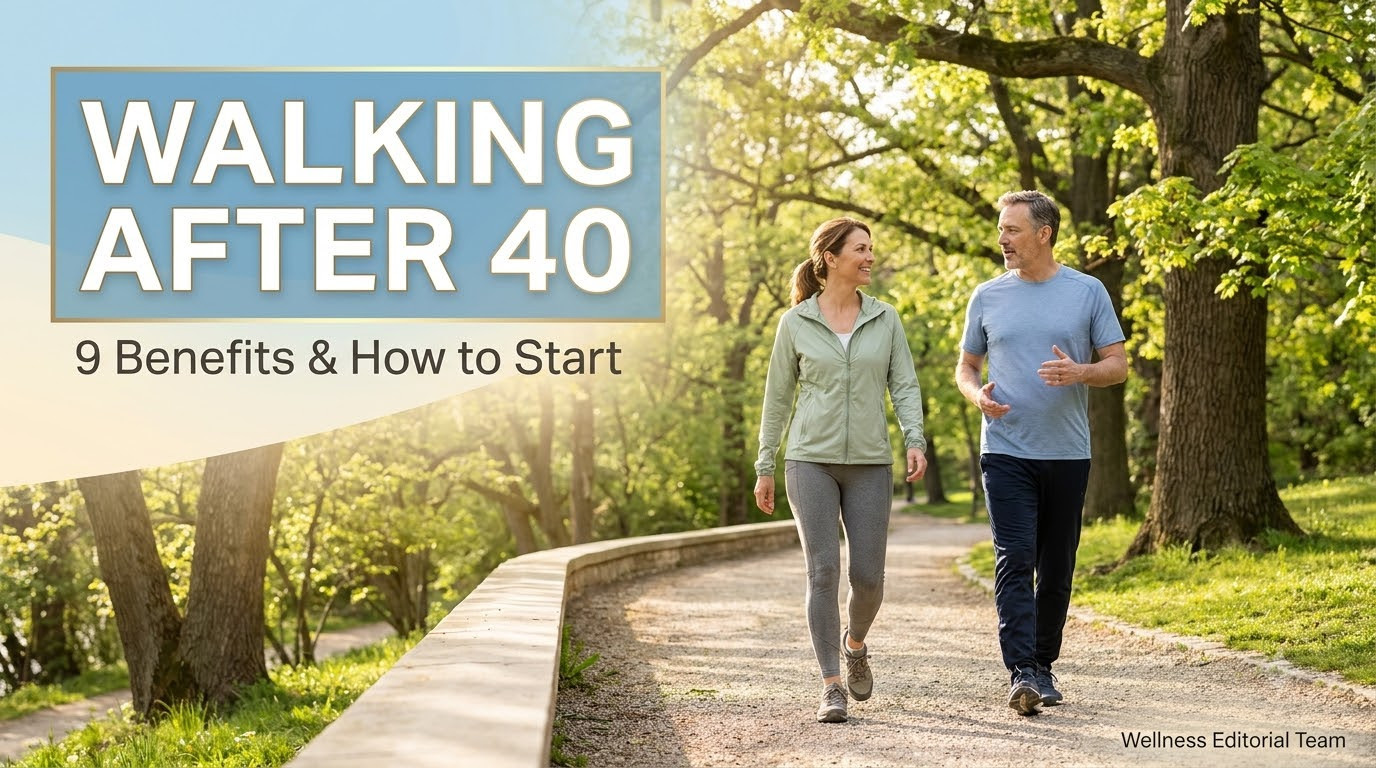
Walking is one of the simplest ways to become more active after 40. It requires relatively little equipment, can fit around work and family responsibilities, and can be adapted to different fitness levels. You can walk outdoors, around your neighbourhood, on a treadmill, or through an indoor public space when weather or accessibility makes that easier.
As life gets busier, it can be tempting to think that exercise only counts if it involves a gym membership, an intense workout, or a strict daily target. Walking offers a more flexible starting point. A short, comfortable walk can help you begin building a routine, and gradually increasing activity may support several aspects of health.
Walking is not a cure-all, and its benefits depend on your overall activity, health, and consistency. It also does not replace every type of exercise. This guide explains nine potential benefits, how to start safely, and how to build a routine that works in real life.
Why Walking Matters After 40
Adults can benefit from regular physical activity at any age. After 40, walking may be especially practical because it can be adjusted to different schedules, abilities, and fitness levels. It can also help people who spend long periods sitting introduce movement without having to redesign their entire day.
Public health guidance commonly recommends that adults work toward at least 150 minutes of moderate-intensity aerobic activity per week, alongside muscle-strengthening activities on at least two days. These are general targets, not a pass-or-fail test. Some activity is better than none, and people who have been inactive can build toward the recommendations gradually.
Moderate-intensity walking usually makes you breathe faster while still allowing you to talk, although singing would be difficult. Your own pace will depend on fitness, terrain, health, and mobility. A pace that feels moderate for one person may be vigorous or uncomfortable for another.
1. Supports Cardiovascular Fitness
Brisk walking raises your heart rate and challenges the cardiovascular system in a way that can improve aerobic fitness over time. Regular physical activity is associated with better cardiovascular health and can form part of a broader plan to manage risk factors such as high blood pressure and unhealthy cholesterol levels.
You do not need to walk as fast as possible to benefit. Begin at a comfortable pace, then consider adding a few slightly brisker intervals if you feel well and can do so safely. For example, walk normally for several minutes, increase your pace for a short period, and then return to an easy pace.
Walking supports heart health but does not guarantee that a person will avoid heart disease. Food choices, tobacco exposure, sleep, genetics, medical conditions, and other factors also matter. Continue prescribed treatment and routine health checks rather than using exercise as a substitute for them.
2. Helps Support Blood Sugar Management
Muscles use energy when they contract, and physical activity can help the body use glucose. Regular movement may support blood sugar management as part of an overall approach that includes appropriate nutrition, sleep, and medical care when needed.
Some people find a gentle walk after a meal convenient because it creates a regular opportunity to move. You might try a short walk after lunch or dinner if it fits your schedule and feels comfortable. You do not need to turn every meal into an exercise session or walk at an intense pace.
If you have diabetes, take medication that can cause low blood sugar, or have been advised to monitor glucose around activity, ask your healthcare professional how to exercise safely. Your needs may depend on medication, meal timing, existing complications, and the type and duration of activity.
Walking is supportive, not a replacement for diabetes medication or individualized care. If you experience symptoms that may indicate low blood sugar, follow the treatment plan provided by your healthcare team.
3. Can Contribute to Weight Management
Walking increases daily energy use and may help support weight management when combined with eating patterns and other habits that suit your needs. The effect varies. Walking duration, pace, body size, food intake, medications, sleep, and health conditions can all influence the outcome.
It is better to think of walking as one useful part of a long-term routine than as a way to burn off a specific meal. Weight can fluctuate for many reasons, and changes on the scale do not fully describe improvements in fitness, stamina, or well-being.
If weight management is one of your goals, start with a repeatable schedule. You could take a short walk on most days and gradually add time as your fitness improves. Pair activity with balanced meals, adequate sleep, and realistic expectations rather than extreme restriction or excessive exercise.
4. Supports Everyday Mobility and Function
Walking regularly gives the muscles involved in everyday movement opportunities to work. It may help maintain endurance for activities such as shopping, climbing ordinary stairs, travelling, or spending time outdoors. For many people, the practical benefit is being able to do daily tasks with greater confidence and less effort.
However, walking is not a complete strength-training programme. It may not sufficiently challenge all major muscle groups, particularly as strength needs change with age. General adult activity guidance also recommends muscle-strengthening work, such as suitable resistance exercises, on at least two days each week.
Balance and flexibility may need specific attention too. Depending on your needs, simple balance exercises, mobility work, or a professionally tailored exercise programme can complement walking. People with a history of falls, significant joint pain, or mobility limitations should choose activities appropriate to their abilities.
5. Adds Useful Movement to a Sedentary Day
A planned walk can help, but the rest of your day matters too. Someone who walks for a short period and then sits for many hours may still benefit from breaking up long stretches of sitting when possible.
Try linking movement to things you already do. Walk while making a phone call, take a short break between tasks, use the stairs when suitable, or park a little farther away if the route is safe. If you work from home, a brief walk before or after work may provide a clear transition between work and personal time.
Small bouts of movement can make an inactive day less sedentary. They can also help you build confidence before attempting longer walks. Focus on practical opportunities rather than guilt.
6. May Support Mood and Stress Management
Physical activity can support mental well-being, and a walk may provide a useful break from work, household demands, or repetitive thoughts. Outdoor walking can also offer a change of scenery and an opportunity to spend time in a green space.
Some people enjoy walking alone, while others prefer company, music, or a familiar route. There is no requirement to turn a walk into a mindfulness session. Simply moving at a comfortable pace and noticing your surroundings may make the break feel more restorative.
Walking is not a stand-alone treatment for depression, anxiety, or another mental health condition. If distress persists, affects daily life, or feels overwhelming, consider speaking with a qualified mental health professional or healthcare provider.
7. Can Help Support Sleep
Regular physical activity is one part of a lifestyle that may support healthier sleep. Walking can also help establish a daily rhythm, especially when it takes place outdoors during daylight hours.
Sleep is influenced by many factors, including stress, caffeine, alcohol, medications, pain, room temperature, and health conditions. Walking may be helpful, but it cannot be expected to resolve every sleep problem. A person with persistent insomnia or possible sleep apnoea may need specific assessment and treatment.
Choose an exercise time that works for you. Some people find a late walk relaxing, while others feel more alert after activity close to bedtime. If evening walks seem to disrupt your sleep, try moving them earlier and compare how you feel.
8. Creates Opportunities for Social Connection
Walking can be a simple way to spend time with a friend, partner, family member, or walking group. Social connection may make a routine feel more enjoyable and can help some people maintain consistency.
You could schedule a short walk with a friend, accompany a family member on an errand, or explore a public park together. If you prefer solitude, a solo walk can work just as well. The point is to choose an arrangement that makes movement easier to continue.
9. Builds a Sustainable Activity Habit
One of walking's biggest advantages is flexibility. You can change the duration, route, pace, and setting according to your schedule. That flexibility can make it easier to continue during busy weeks than a routine that depends on a particular class, facility, or piece of equipment.
Habit-building works best when the plan is specific. Instead of saying, “I will walk more,” decide when and where you will walk. For example, you might walk for ten minutes after breakfast on weekdays or take a short walk during a regular afternoon break.
Track progress in a way that motivates you. You might record minutes walked, how comfortable the route felt, or whether you had more energy afterward. You do not need a wearable device or a universal step target to make progress.
How to Start Walking Safely After 40
- Start with your current ability: Five to ten minutes at an easy pace is plenty for a beginner session.
- Increase gradually: Add duration or frequency slowly before attempting steep hills or faster speeds.
- Use comfortable footwear: Wear supportive, well-cushioned shoes with adequate grip suited to the walking surface.
- Warm up and cool down: Start with several minutes of relaxed walking and slow down gently at the end.
- Use the talk test: Aim for a pace where conversation is comfortable, even if singing is difficult.
- Build a balanced routine: Pair walking with 2 weekly sessions of bodyweight or resistance strength training.
When to Seek Medical Advice
- Stop immediately and seek urgent medical care if you experience chest pain, pressure, dizziness, fainting, or severe unexpected breathlessness.
- Consult a clinician before starting if you have cardiovascular disease, severe asthma, chronic kidney disease, or recent surgery.
- Get guidance on footwear and foot inspections if you have diabetic peripheral neuropathy or a history of frequent falls.
- Address persistent joint pain, swelling, or gait changes with a physical therapist rather than pushing through injury.
Walking supports health, but it does not replace individualized clinical management or emergency medical assessment.
A Simple Two-Week Walking Plan
| Timeline | Session Goal | Practical Guideline |
|---|---|---|
| Days 1–3 | 5–10 minutes easy pace | Choose a flat, familiar, well-lit path; focus on comfortable breathing. |
| Days 4–6 | 10–12 minutes steady pace | Maintain steady cadence; evaluate energy levels and joint comfort. |
| Day 7 | Active recovery / rest | Light stretching or gentle stroll based on how you feel. |
| Days 8–10 | 12–15 minutes gradual build | Add a few minutes; maintain the conversational "talk test" pace. |
| Days 11–13 | 15 minutes with brisk interval | Include 1–2 minutes of slightly faster walking if feeling strong. |
| Day 14 | Review and schedule | Note total weekly minutes; plan the schedule for the upcoming month. |
Frequently Asked Questions
1. How much should I walk each day after 40?
If you are starting from a low activity level, begin with a comfortable amount, such as 5 to 10 minutes, and increase gradually. Many public health guidelines recommend working toward at least 150 minutes of moderate-intensity aerobic activity each week, adjusted to your ability and health.
2. Is walking enough to stay fit after 40?
Walking is a useful form of aerobic activity, but a balanced fitness routine also benefits from muscle-strengthening activities on at least two days each week and exercises that support balance and mobility, as appropriate for the individual.
3. Can walking help with weight management after 40?
Walking increases physical activity and energy use, which may support weight management. Results vary and depend on eating patterns, overall activity, sleep, medications, health, and other factors. Walking alone does not guarantee weight loss.
4. Should I walk before or after eating?
Either can fit into a healthy routine. Some people find a gentle walk after a meal convenient, while others prefer walking at another time. Choose a pace and timing that feel comfortable, particularly if you experience reflux, dizziness, or other symptoms.
5. When should I speak with a healthcare professional before walking?
Seek individual guidance if you have a significant medical condition, major mobility limitations, or symptoms with activity. Stop and seek urgent medical attention for warning signs such as chest pain, fainting, or severe unusual breathlessness.
📚 Sources and Further Reading
- World Health Organization (WHO). Physical Activity Fact Sheet. Evidence on aerobic targets, chronic disease risk reduction, and adult recommendations. Read WHO Physical Activity Fact Sheet.
- Centers for Disease Control and Prevention (CDC). Adult Activity: An Overview. Physical activity guidelines for aerobic, strengthening, and mobility conditioning. Read CDC Guidelines.
- National Health Service (NHS). Walking for Health. Guidance on incorporating daily walking into routine lifestyle and practical advice. Read NHS Walking Resource.
- National Institute on Aging (NIA). Exercise and Physical Activity. Evidence-based guidance on endurance, strength, balance, and flexibility during healthy aging. Read NIA Exercise Guide.
- CDC. Physical Activity and Diabetes. Clinical review of glucose utilization, insulin sensitivity, and safe movement recommendations. Read CDC Diabetes Activity Resource.